

- Salale University, Ethiopia
- president@slu.edu.et
- +251-111355637
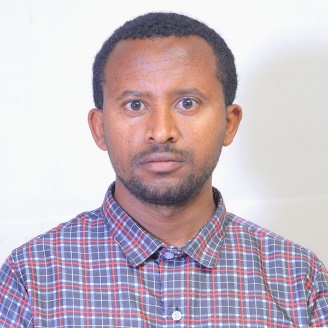
Mr. Addisu Waleligne Tadesse
Head,Department of Public Health Officer
Contact
+2519********
adisu_waleligne@slu.edu.et
+251-0111 60 98 05
Administration Building, 1st floor, Room No. 118
P.O. Box: 245
Background Information
Historically, the Ethiopian Government officially proclaimed the Basic Health Care Policy in 1952. The Strategy was to reach the largest population possible in the most distant areas with effective services with minimum qualified staff and address the imbalance of allocation of resources for health improvement in rural settings. In recent times, population health needs of the country have grown not only in breadth but also in complexity and depth due to rapid epidemiologic and demographic transitions that are happening in the country. In addition, the demand for better quality and equitable services is increasing and is becoming an imperative element of care, because low quality health services are ethically unacceptable and legally prosecutable. However, this cannot be realized without properly trained and equipped health workforce. The Ethiopian population is primarily rural. Public Health professionals carried out most of the activities in Ethiopia’s rural hospitals and health centers; they made an enormous contribution for many years, providing comprehensive services to rural communities.
With a commitment to improving public health outcomes, the Department of Public Health, at Salale University, was established in 2015 to cultivate skilled and innovative professionals, conduct research that addresses critical challenges, disseminate technological advancements, and provide essential community services. As a testament to its success, the department has already graduated five cohorts of students and now provides advanced training in four key areas through its regular and extension postgraduate programs. Moreover, through a strong partnership with the Oromia Health Bureau, the department is directly contributing to the development of the healthcare workforce by offering a specialized degree program for health extension workers.
Vision
- ****************************************************************.
Mission
- ****************************************************************
- ****************************************************************
- ****************************************************************
Objectives
- Produce Competent Health Professionals: Train graduates with balanced skills in both clinical and public health fields to meet the health needs of communities.
- Strengthen Primary Health Care Services: Equip students to deliver quality, affordable, and equitable health care at the primary level, especially in rural and underserved areas.
- Develop Leadership and Management Capacity:Prepare graduates to effectively lead and manage primary health care units such as health centers.
- Integrate Preventive and Curative Services:Enable graduates to deliver both treatment and health promotion services, addressing the root causes of ill health.
- Promote Community-Oriented Health Practice:Foster a commitment to community engagement and responsiveness in addressing local health challenges.