

- Salale University, Ethiopia
- president@slu.edu.et
- +251-111355637
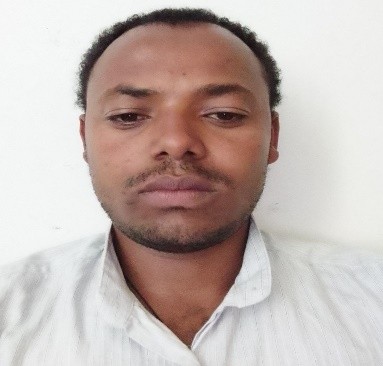
Genanew Gemechu Eshete
Health Management Information System Director, Salale University Comprehensive Specialized Hospital
Contact
+251921804190
genanew4@gmail.com
+251-0111 60 98 05
Administration Building, 3rd floor, Room No. 178
P.O. Box: 245
Director's Message
Dear Colleagues and Stakeholders,
The Health Management Information System Department at Salale University Comprehensive Specialized Hospital is dedicated to driving excellence in healthcare through data. By leveraging tools like DHIS-2, we collect, analyze, and disseminate accurate health information to support patient care, resource allocation, and strategic decision-making. Aligned with Ethiopia’s Health Sector Transformation Plan, our team ensures timely and reliable data to enhance hospital operations and improve health outcomes in the hospital. Together, we are building a stronger, evidence-based healthcare system for our community.
Background
The Health Management Information System (HMIS) department at Salale University Comprehensive specialized Hospital, located in Fitche, Oromia region, Ethiopia, is a critical component of the hospital's operations. It is responsible for the collection, storage, processing, analysis, and dissemination of health-related data to support evidence-based decision-making, planning, and management of healthcare services. The HMIS aligns with Ethiopia's national health information system, implemented since 2008, to improve health system efficiency and effectiveness through standardized data management.
History and Context
The HMIS department operates within the framework of Salale University Comprehensive Specialized Hospital, established as part of Salale University's mission to advance healthcare and medical education in the North Shewa Zone. The hospital, a teaching and referral facility, integrates HMIS to support its clinical, educational, and research objectives. Ethiopia's HMIS was introduced nationally to address challenges such as poor data quality, inadequate resource allocation, and limited information use. The department at Salale University Hospital reflects these national efforts, focusing on generating reliable data for monitoring and evaluating health services.
Vision
- To see a healthy, productive, and prosperous society through evidence-based decision making.
Mission
- To ensure evidence-based decision making through improving and promoting access to and use of quality data at all levels of the health system by nurturing digital health information on technologies, mobilizing adequate resources and improving management of the health information system.
Objectives
The HMIS department at the hospital aims to:
- Ensure Data Quality: Collect accurate, timely, and complete health data to support clinical and administrative decisions.
- Support Evidence-Based Decision Making: Provide data for planning, resource allocation, and policy development at the hospital and regional levels.
- Facilitate Monitoring and Evaluation (M&E): Track health service performance, including patient outcomes and program effectiveness.
- Enhance Reporting: Compile and submit standardized reports to regional and national health authorities.
- Promote Integration: Support interoperability with national health information systems and emerging technologies like telemedicine.